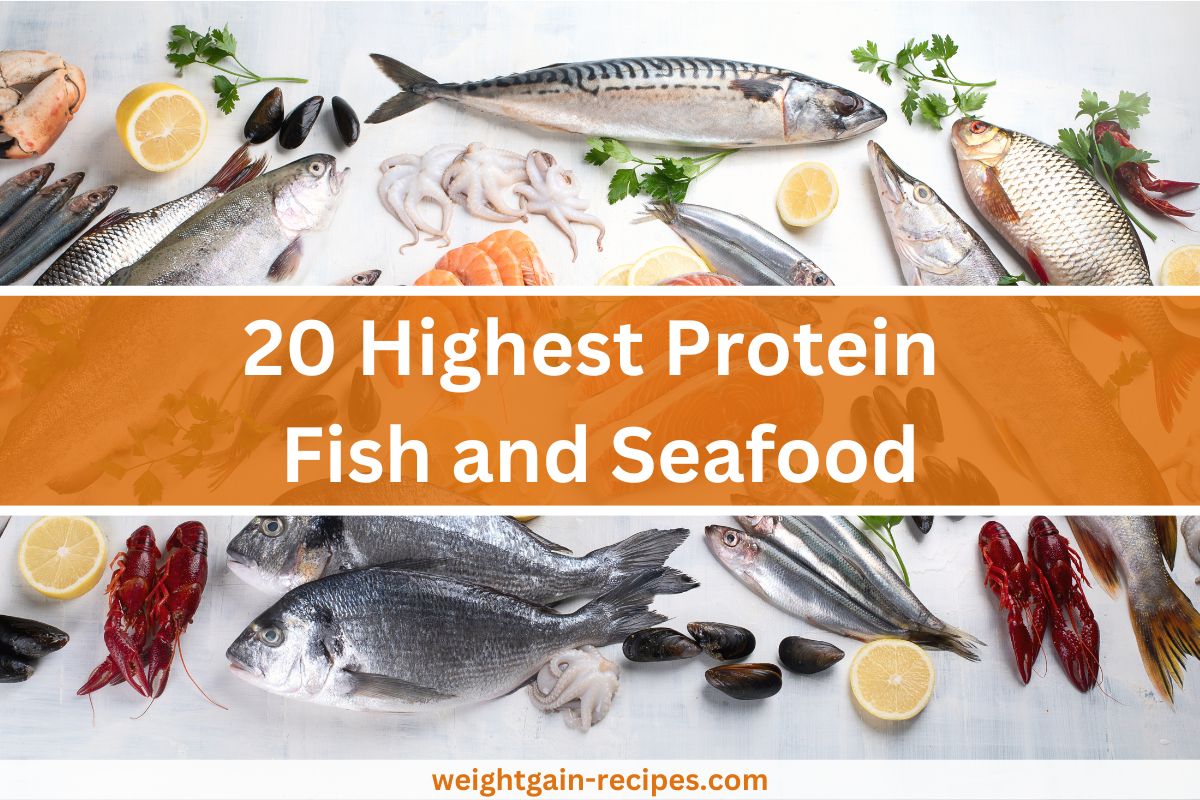
20 Highest Protein Fish and Seafood

Fish and seafood are great for anyone looking to boost their protein intake. They’re not just high in protein; they are also rich in essential nutrients such as omega-3 fatty acids, vitamins D and B2 (riboflavin), calcium, and iron.
This guide focuses on the highest protein fish and seafood, comparing them based on their protein density per 100 grams, making it easy to compare.
Protein Density: How to Compare Fish and Seafood for Protein Content
Comparing fish and seafood for their protein content involves looking at the protein density, which signifies the weight of protein in grams compared to the food’s weight. I will use 100 grams as this is the standard measurement to help with comparisons.
By evaluating protein density, individuals can make informed choices tailored to their health and dietary goals, optimizing their intake of this crucial macronutrient.
How to Compare Protein Density
Comparing the protein density in fish and seafood involves several factors that all contribute to the overall nutritional value.
Fat Ratio: Fish and seafood contain minimal to no carbohydrates, making the fat-to-protein ratio a key factor in determining protein density. Fatty fish, rich in omega-3 fatty acids, may have a slightly lower protein density due to their higher fat content.
Water Content: The water content in fish and seafood can also influence protein density. Fish with a higher water content dilutes the protein concentration per weight.
20 Highest Protein Fish and Seafood
Fish and seafood nutrition can vary depending on the variation of the fish or seafood and the preparation used to prepare the fish or seafood.
1) Octopus
30 grams of Protein per 100 grams
Octopus is a seafood delicacy known for its distinct texture and versatile culinary applications. High-quality, fresh octopus can be sourced from seafood markets and specialty stores.
Nutrition
Octopus is an excellent source of protein, offering 30.0 grams per 100 grams. It’s low in fat and high in essential nutrients such as iron, selenium, and vitamins B12 and B6, making it beneficial for heart health, immune support, and energy production.
Serving Suggestions
Preparing octopus requires a tenderizing process, often involving simmering it slowly or pressure cooking it before finishing with grilling or searing.
It’s a staple in dishes like Greek octopus salad, Spanish pulpo a la gallega, and Japanese tako wasabi. Its subtle flavor pairs well with bold seasonings and fresh, zesty accompaniments.
2) Tuna
29.9 grams of Protein per 100 grams
Tuna is a widely accessible fish known for its rich taste and firm texture. It can be found in canned varieties in grocery stores and fresh steaks in seafood markets.
Nutrition
Tuna is a great source of protein and omega-3 fatty acids, which are beneficial for heart health and brain function. It is also rich in vitamins A and D.
However, because tuna are large and high up on the aquatic food chain, they tend to accumulate high levels of mercury. To minimize your mercury intake, it is recommended to choose smaller varieties of tuna like skipjack and avoid consuming bigeye tuna, which contains the highest levels of mercury.
Serving Suggestions
Tuna’s robust flavor and meaty texture make it suitable for a variety of dishes. Fresh tuna steaks are best enjoyed grilled or seared with a light seasoning to preserve their natural flavors. Canned tuna is a convenient option for salads, sandwiches, and pasta dishes, offering a quick protein boost to any meal.

3) Anchovy
28.9 grams of Protein per 100 grams
Anchovies are small, oily fish with a bold flavor, used widely in Mediterranean and Asian cuisines. They come in several types, including fresh, canned, and jarred in oil or salt. Anchovies can be found in grocery stores, fish markets, and specialty food shops.
Nutrition
Anchovies are also an excellent source of omega-3 fatty acids, calcium, and vitamins E and D, supporting heart health, bone density, and reducing inflammation.
Serving Suggestions
Anchovies are versatile in cooking, whether used whole in salads and pizzas or mashed into dressings, sauces, and pastes to add depth.
They’re key in recipes like Caesar salad dressing, pasta puttanesca, and as a pizza topping. The strong flavor of anchovies means they should be used sparingly to complement other ingredients.

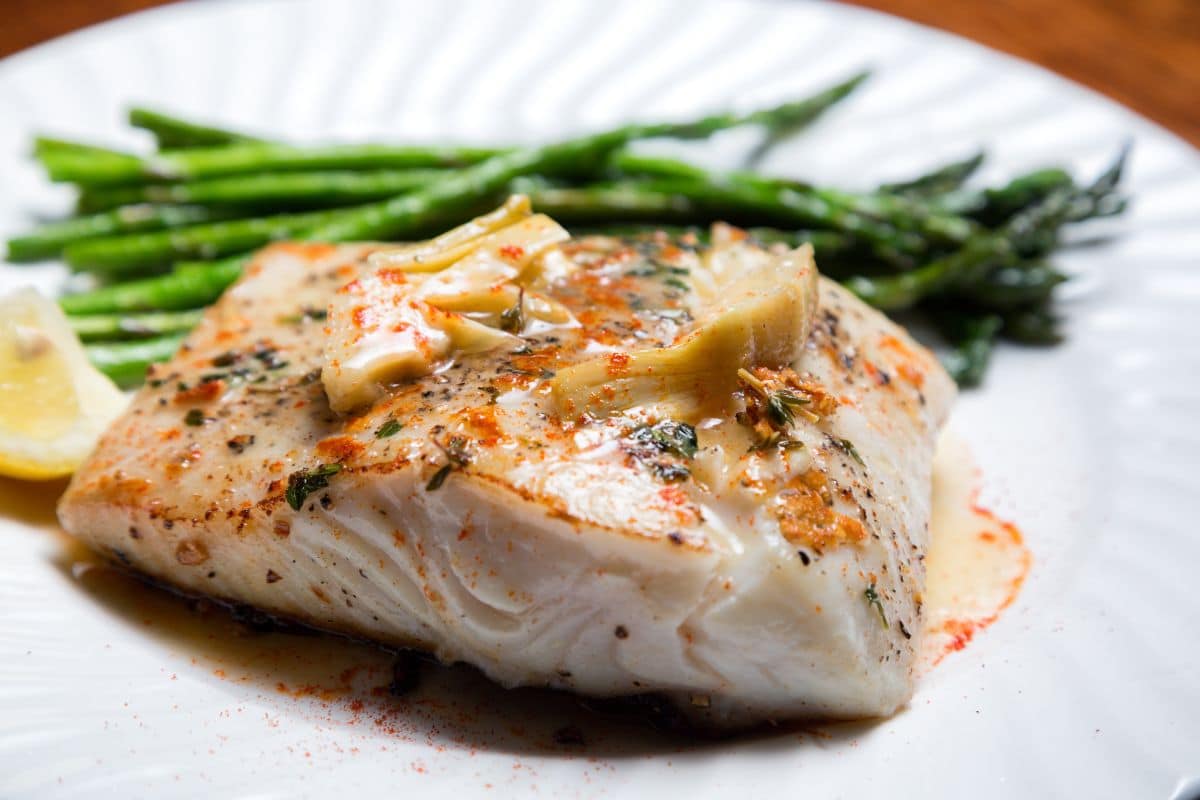
4) Halibut
26.7 grams of Protein per 100 grams
Halibut is prized for its mild, sweet taste and firm texture, making it a favorite among seafood lovers. This fish is versatile in cooking methods and can be found fresh or frozen in seafood markets and grocery stores.
Nutrition
In addition to its impressive protein content, halibut is rich in omega-3 fatty acids, selenium, and niacin.
Serving Suggestions
Halibut’s dense, meaty texture makes it suitable for various cooking methods, including grilling, baking, and pan-searing. It pairs well with a simple seasoning of lemon and herbs or with more robust flavors like a miso glaze.
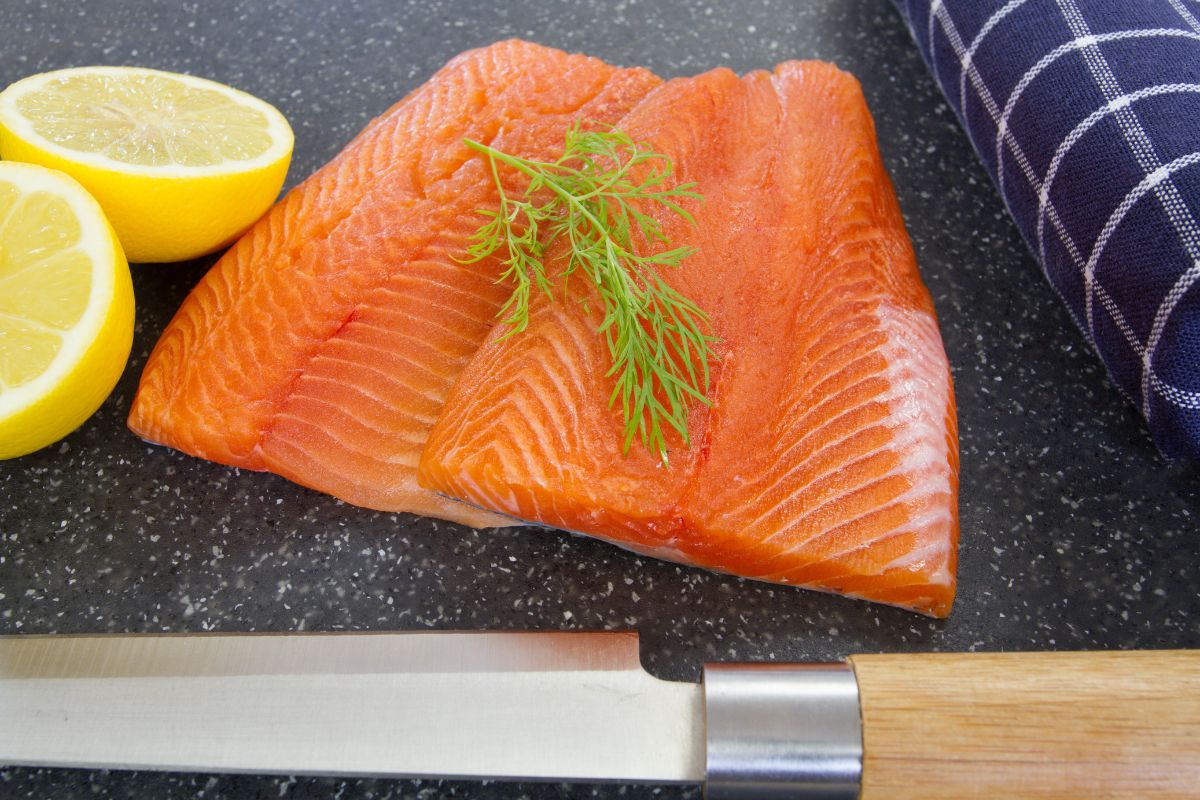
5) Trout
26.6 grams of Protein per 100 grams
Trout, particularly rainbow trout, is widely appreciated for its flavorful flesh and nutritional benefits. It thrives in freshwater streams and lakes, and its availability in fish farms makes it an accessible option for many. Trout can be purchased fresh or smoked from seafood markets and some supermarkets.
Nutrition
Trout is an excellent source of protein and omega-3 fatty acids, which are beneficial for heart and brain health. It also provides B vitamins, magnesium, and phosphorus, supporting a range of bodily functions from energy production to bone health.
Serving Suggestions
Trout can be cooked whole or as fillets and is delicious when grilled, baked, or pan-fried. Smoked trout is a delicacy on its own or can be used to enhance salads, pasta dishes, or as part of a breakfast spread.
6) Tilapia
26.0 grams of Protein per 100 grams
Tilapia is a widely farmed freshwater fish known for its mild flavor and low cost, making it an a excellent budget-friendly high protein fish. It’s available year-round at most grocery stores and seafood markets, both fresh and frozen.
Nutrition
Tilapia is not only high in protein but also contains important vitamins and minerals, including B12, niacin, and potassium, supporting nerve function, energy production, and overall cardiovascular health.
Serving Suggestions
Tilapia’s lean, flaky texture adapts well to a variety of cooking methods, including baking, grilling, and frying.
It works well in fish tacos, lightly breaded and fried, or marinated and grilled for a healthy entrée. Its mild taste pairs well with bold seasonings, citrusy flavors, or classic garlic and herb combinations.
7) Snapper
26.0 grams of Protein per 100 grams
Snapper, with its lean flesh and mild yet distinctive flavor. This fish is available in several varieties, including red snapper, known for its vibrant hue and slightly sweet taste. Snapper can be sourced from seafood markets and some grocery stores, offering a versatile option for those seeking to enrich their diet with high-quality protein.
Nutrition
Snapper is not only a great source of protein but also provides valuable nutrients such as vitamin A, potassium, and omega-3 fatty acids. These contribute to eye health, blood pressure regulation, and cardiovascular wellness.
Serving Suggestions
Snapper is well-suited for a wide range of cooking methods, from grilling and baking to pan-frying. Its delicate flavor pairs beautifully with a variety of seasonings, from simple salt and pepper to more elaborate marinades and sauces.
Some popular dishes include whole-baked snapper with herbs and lemon, snapper ceviche, and pan-seared snapper fillets with tropical fruit salsa.
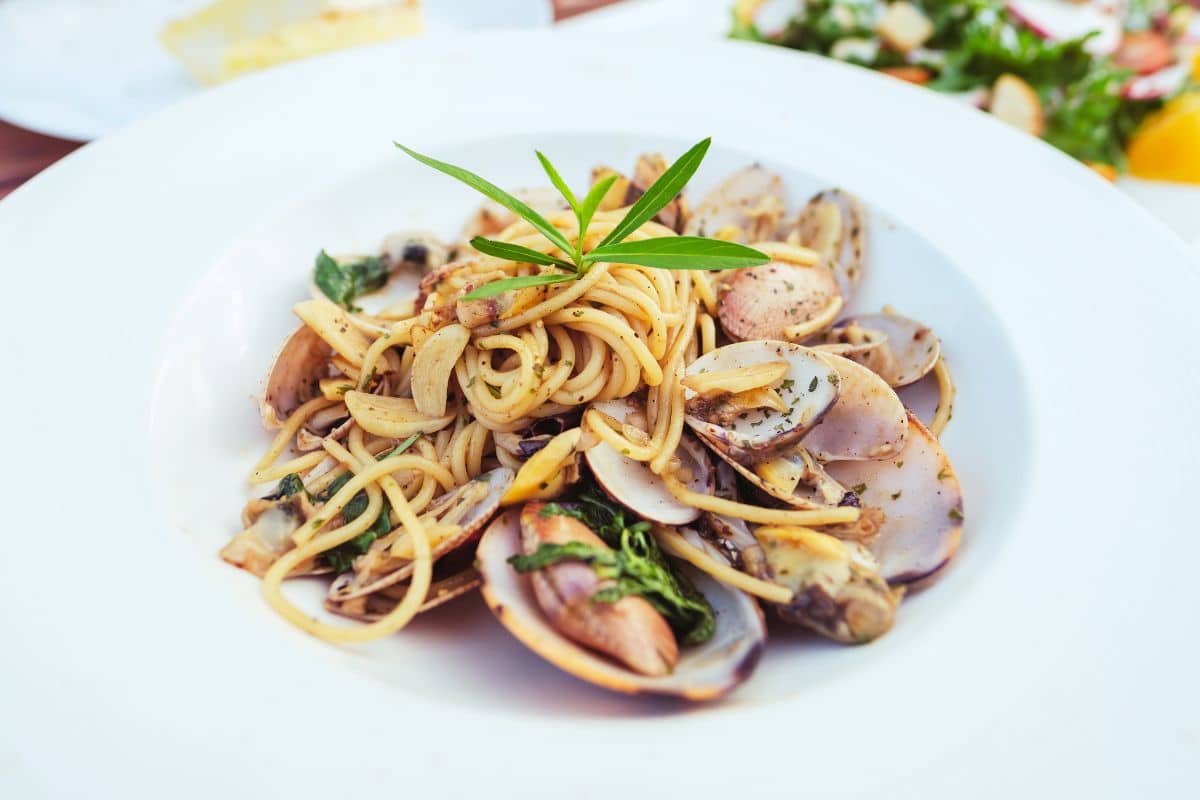
8) Clams
25.5 grams of Protein per 100 grams
Clams are a type of shellfish that offer an impressive amount of protein along with a briny, oceanic flavor that complements many dishes. They’re most commonly found in coastal regions but are also widely available frozen or canned at grocery stores and seafood markets.
Nutrition
In addition to their high protein content, clams are rich in iron, vitamin B12, and manganese.
Serving Suggestions
Clams can be steamed, boiled, or added to soups and stews, where they impart a deep, savory flavor. They’re iconic in recipes like New England clam chowder, linguine with clam sauce, and steamed clams with garlic and white wine.
When preparing clams, it’s important to ensure they are thoroughly cleaned and cooked just until they open to enjoy their natural sweetness and tender texture.
9) Salmon
25.4 grams of Protein per 100 grams
Salmon is not only for its high protein content but also very high in omega-3 fatty acids, making it one of the most healthful fish choices. It’s available in wild and farmed varieties and salmon can be found fresh, frozen, or smoked in most seafood markets and grocery stores.
Nutrition
Salmon’s nutritional profile is exceptional, providing significant omega-3 fatty acids, which are crucial for heart health, alongside vitamins D and B12, selenium, and phosphorus.
Serving Suggestions
Salmon is incredibly versatile and delicious, whether grilled, baked, smoked, or raw in sushi and sashimi. It pairs well with a wide range of flavors, from simple lemon and dill to more robust glazes and spices. Some suggestions include soy sauce-marinated salmon, baked salmon, and teriyaki salmon.

10) Sardines
24.6 grams of Protein per 100 grams
Sardines, small oily fish known for their distinct, robust flavor, are a powerhouse of nutrition. They are typically available fresh in coastal regions but are more commonly found canned in oil or brine.
Nutrition
Sardines are not just high in protein; they also boast a wealth of omega-3 fatty acids, calcium, and vitamin D, supporting cardiovascular health, bone density, and immune function.
Serving Suggestions
Sardines can be enjoyed straight out of the can, on toast, or in salads for a quick, nutritious meal. Fresh sardines are excellent grilled or broiled with a squeeze of lemon and a touch of herbs. They are also a staple in Mediterranean diets and work well in pasta dishes and as pizza toppings.
11) Mackerel
24.1 grams of Protein per 100 grams
Mackerel is a flavorful, oily fish that is tender and a rich taste. It’s available in fresh, frozen, and canned forms and is common in most grocery stores.
Nutrition
Alongside its high protein content, mackerel is an excellent source of omega-3 fatty acids, which are essential for maintaining heart health and reducing inflammation. It also provides vitamin B12, selenium, and niacin.
Serving Suggestions
Mackerel is great grilled, smoked, or baked. It’s commonly used in Japanese cuisine, served as sushi or sashimi. Smoked mackerel works well in salads, sandwiches, or enjoyed as part of a nutritious breakfast, paired with eggs and whole-grain toast.
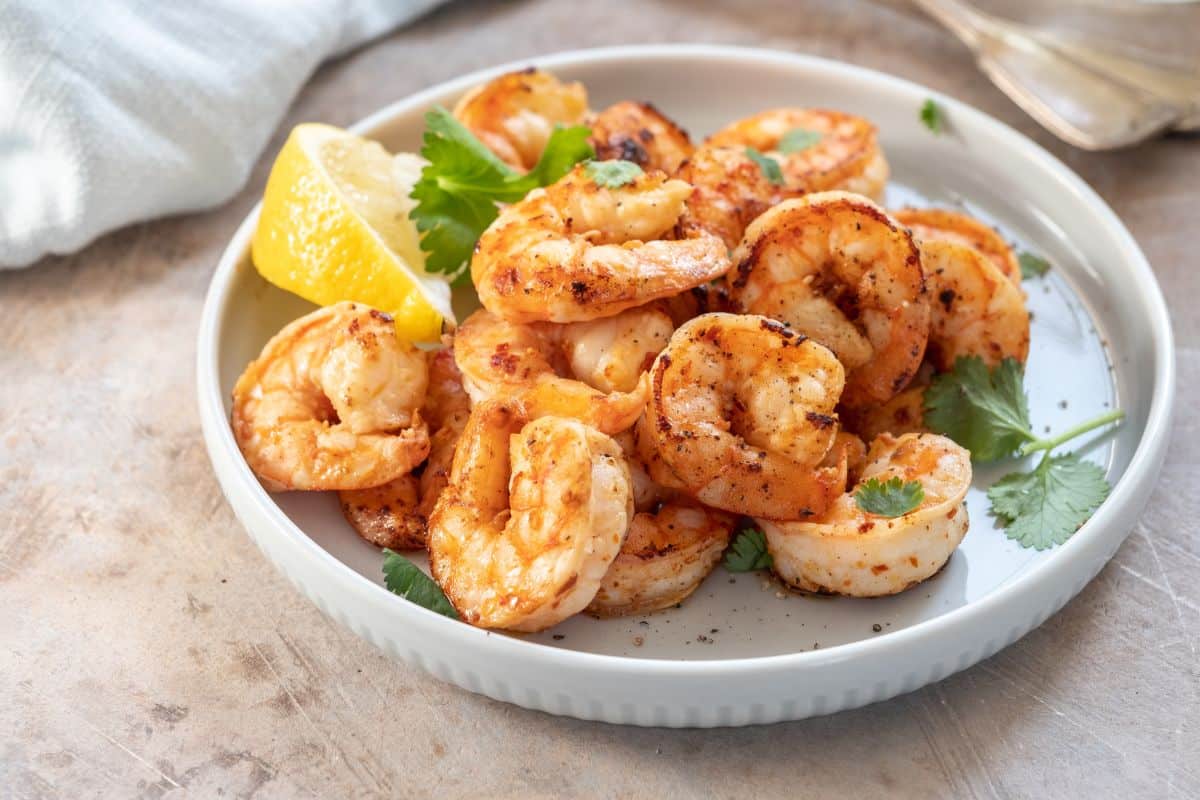
12) Shrimp
24.0 grams of Protein per 100 grams
Shrimp is one of the most popular seafood choices globally. It offers a delicate taste and a firm texture. It can be sourced fresh or frozen from almost any grocery store or seafood market.
Nutrition
Shrimp contains selenium, vitamin B12, and phosphorus, contributing to antioxidant defense, energy production, and bone health.
Serving Suggestions
Shrimp is incredibly versatile and suitable for a variety of cooking methods, including grilling, sautéing, and boiling. It’s a key ingredient in dishes like shrimp scampi, paella, pasta and pad Thai.
13) Mahi-Mahi
24.0 grams of Protein per 100 grams
Mahi-Mahi is known for its beautifully colored skin and firm, flavorful flesh. This tropical fish is often found in warmer waters and is available fresh or frozen in many seafood markets and grocery stores.
Nutrition
Mahi-Mahi provides a high protein content is beneficial for muscle building and maintenance. It’s also a good source of vitamin B12, phosphorus, and selenium, supporting neurological health and the immune system.
Serving Suggestions
Mahi-Mahi’s dense texture makes it ideal for grilling, baking, or searing. It pairs well with a variety of flavors, from citrus and garlic to spicy jerk seasoning. Popular in Hawaiian cuisine, it’s often served in fish tacos or with a mango salsa for a tropical-inspired dish.
14) Atlantic Cod
24.0 grams of Protein per 100 grams
Atlantic cod is a staple in seafood cuisines around the world, known for its mild flavor and flaky texture. This fish is a key ingredient in many traditional dishes and can be found fresh, frozen, or even salted (bacalao) in supermarkets and seafood markets.
Nutrition
Atlantic cod is an excellent source of lean protein, aiding in muscle repair and growth. It’s also rich in vitamins B12 and B6, which are crucial for nerve health and metabolism, as well as omega-3 fatty acids for cardiovascular wellness.
Serving Suggestions
Cod’s versatility makes it perfect for a variety of preparations, from classic fish and chips to hearty fish stews and chowders.

15) Grouper
24.0 grams of Protein per 100 grams
Grouper is a lean, moist fish with a distinctive yet mild flavor. It’s typically found in warmer waters and can be purchased fresh or frozen in many seafood markets.
Nutrition
In addition to being a great source of protein, grouper is rich in selenium and vitamins B6 and B12, supporting antioxidant defenses and energy metabolism. Its low-fat content makes it a healthy choice for those monitoring their dietary fat intake.
Serving Suggestions
Grouper is best enjoyed grilled, broiled, or pan-seared to preserve its delicate texture. It pairs wonderfully with a variety of seasonings and sauces, from simple olive oil and herbs to more robust Cajun spices.
16) Sea Bass
24.0 grams of Protein per 100 grams
Sea Bass, with its buttery texture and rich flavor, is highly regarded by chefs and gourmet home cooks alike. This fish can vary in size and is available in many parts of the world, both from wild catches and sustainable farms.
Nutrition
Sea Bass is not only high in protein but also provides essential omega-3 fatty acids, contributing to heart health and cognitive function. It’s a good source of magnesium and phosphorus, important for bone health and energy production.
Serving Suggestions
Sea Bass shines when baked, roasted, or grilled, with its flesh staying moist and flavorful. It complements a wide range of accompaniments, from light, citrusy sauces to more savory, umami-rich glazes.
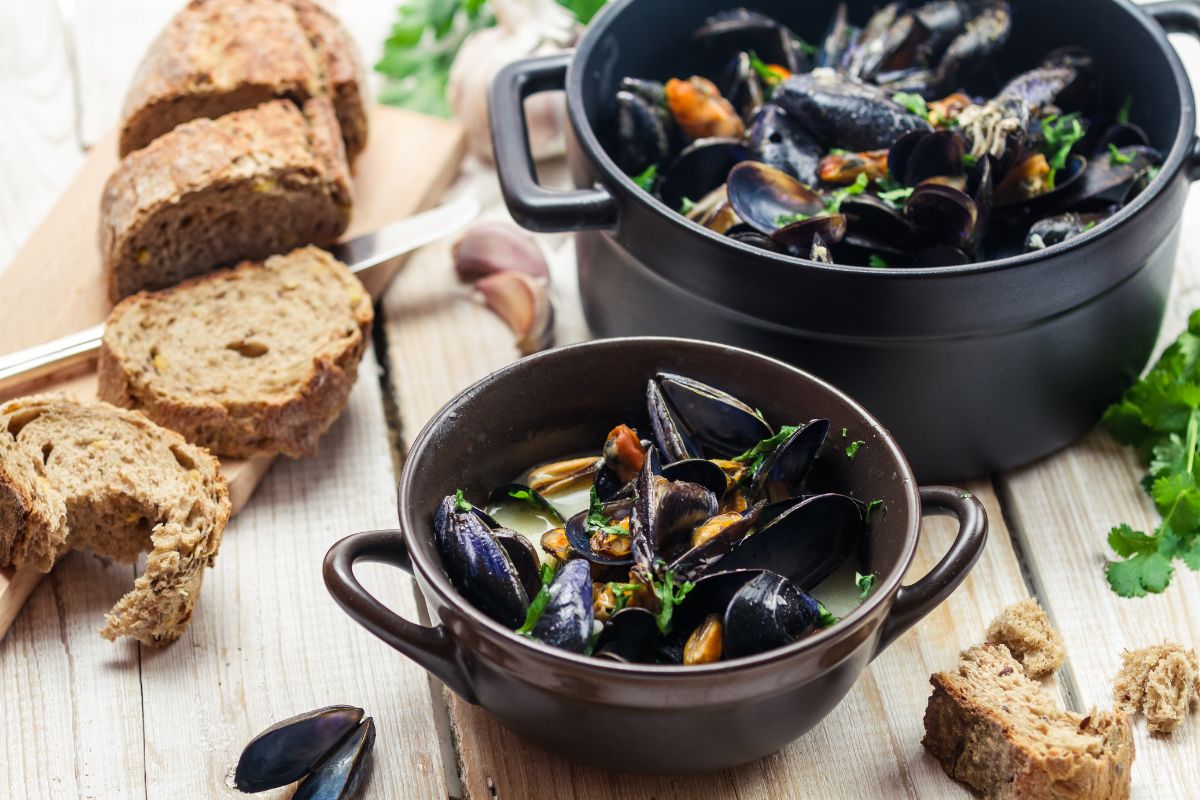
17) Mussels
23.8 grams of Protein per 100 grams
Mussels are a type of shellfish that offer a taste of the sea with their slightly sweet and briny flavor. They are most commonly enjoyed steamed but can also be found smoked or canned. Mussels are widely available at seafood markets and grocery stores, providing an accessible option for adding high-quality protein to your diet.
Nutrition
Beyond their protein content, mussels are an excellent source of zinc, iron, and vitamin B12, essential for immune function, energy metabolism, and cognitive health. They’re also rich in omega-3 fatty acids, beneficial for reducing inflammation and supporting heart health.
Serving Suggestions
Steamed mussels in a white wine, garlic, and herb broth make for a classic preparation, serving as a delicious appetizer or main course. They can also be incorporated into pasta dishes, paellas, or served over crusty bread to soak up the flavorful cooking liquid.
18) Swordfish
23.0 grams of Protein per 100 grams
Swordfish is renowned for its firm texture and mildly sweet flavor, making it a popular choice for grilling and searing. This large, migratory fish is most commonly found in tropical and temperate waters and can be purchased in steaks from seafood markets and some grocery stores.
Nutrition
Swordfish provides essential nutrients such as omega-3 fatty acids for heart health, vitamin D for bone health, and selenium, a powerful antioxidant that supports immune function. However, it’s important to note that swordfish is known to have higher mercury, so it should be eaten moderately.
Serving Suggestions
Swordfish steaks are ideal for the grill, where they can be marinated and cooked to perfection, developing a slightly charred exterior and a tender interior. They pair well with a variety of flavors, from simple olive oil and lemon to more complex spice rubs and marinades.
Swordfish can also be broiled or pan-seared and served with a side of fresh salad, roasted vegetables, or a light pasta dish for a balanced meal.
19) Scallops
20.54 grams of Protein per 100 grams
Scallops are a delicacy in seafood cuisine; they have a sweet, delicate flavor and tender texture. Scallops are available fresh or frozen at most seafood markets and are less common in grocery stores.
Nutrition
In addition to their high protein content, scallops are low in fat and rich in omega-3 fatty acids and B vitamins, particularly vitamin B12, which plays a critical role in nerve function and blood health. They’re also a good source of minerals like magnesium and potassium.
Serving Suggestions
Scallops are best cooked quickly to retain their moisture and tenderness, either by searing in a hot pan or broiling. They’re often served with light sauces that accentuate their natural sweetness, such as a citrus vinaigrette.
Scallops can be a luxurious addition to pasta, risotto, or as part of a seafood medley, offering a sophisticated touch to your meal.
20) Haddock
20.0 grams of Protein per 100 grams
Haddock is a lean, white fish with a mild flavor, making it a versatile ingredient in many dishes. Haddock can be found fresh, smoked (known as Finnan haddie), or frozen in seafood markets and grocery stores.
Nutrition
Haddock offers a significant amount of protein with minimal fat, making it an excellent choice for those looking to maintain or lose weight. It’s also a good source of vitamins B6 and B12, phosphorus, and selenium, contributing to energy metabolism, bone health, and immune system support.
Serving Suggestions
Haddock’s flaky texture and subtle taste make it suitable for baking, frying, or poaching. It’s the star of traditional fish and chips when battered and fried, providing a crispy exterior and tender, flaky interior.
Smoked haddock can be used in chowders, kedgeree, or simply poached and served with poached eggs and spinach for a nutritious breakfast or brunch option.
Conclusion
Adding high-protein fish and seafood into your diet is a great way to diversify your meal plans and enhance your nutritional intake variety. Fish and seafood are rich sources of essential omega-3 fatty acids, vitamins, and minerals, in addition to offering a good amount of protein.