12 Healthy Foods That Can Speed Up Muscle Gain

The right foods can make a real difference in how quickly your body builds muscle. Choosing healthy, nutrient-rich ingredients gives your muscles what they need to recover and grow stronger after every workout. Here are twelve healthy foods that can help speed up muscle gain.
Eggs
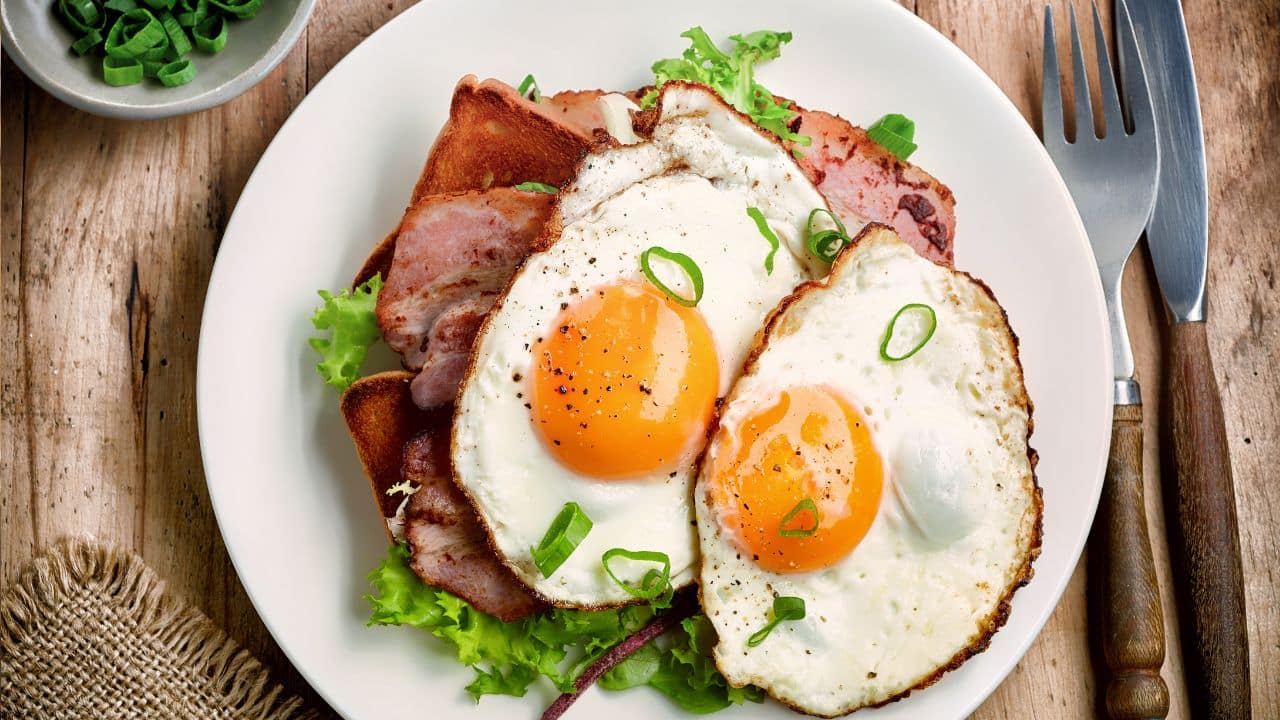
Eggs are one of the most complete sources of protein you can eat, containing all nine essential amino acids your body needs for muscle repair and growth. Each 100 grams provides about 13 grams of protein, along with vitamin B12, selenium, and healthy fats.
Beef
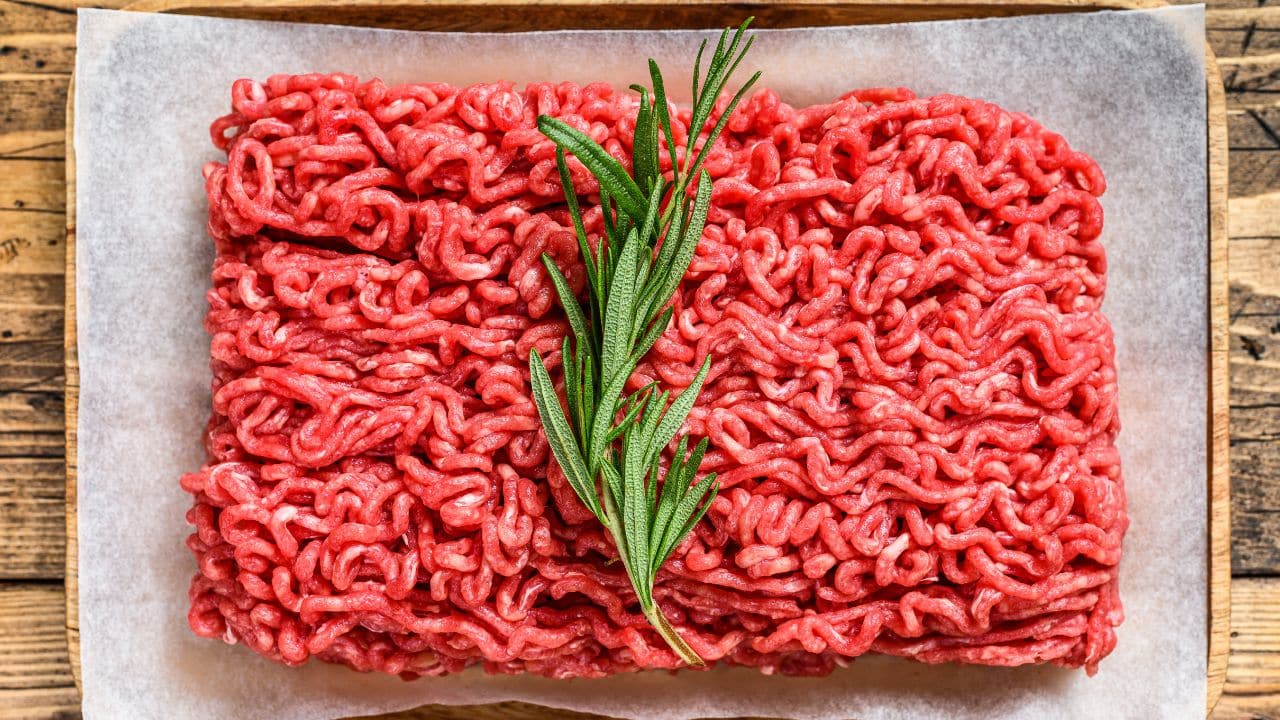
Beef is an easy way to add more protein to your meals, with plenty of simple recipes to choose from. Every 100 grams of 85–90% lean beef contains about 26 grams of protein, along with iron, zinc, and vitamin B12 Use it for bolognese, tacos, rice bowls, or shredded beef dishes for an effortless protein boost.
High-Protein Greek Yogurt

High-protein Greek yogurt is an easy way to add more protein to your day without much prep. Each 100 grams contains about 10 grams of protein, along with calcium, vitamin B12, and probiotics. Enjoy it on its own, mix it with fruit and oats, or use it in smoothies and sauces for extra creaminess and protein.
Tuna
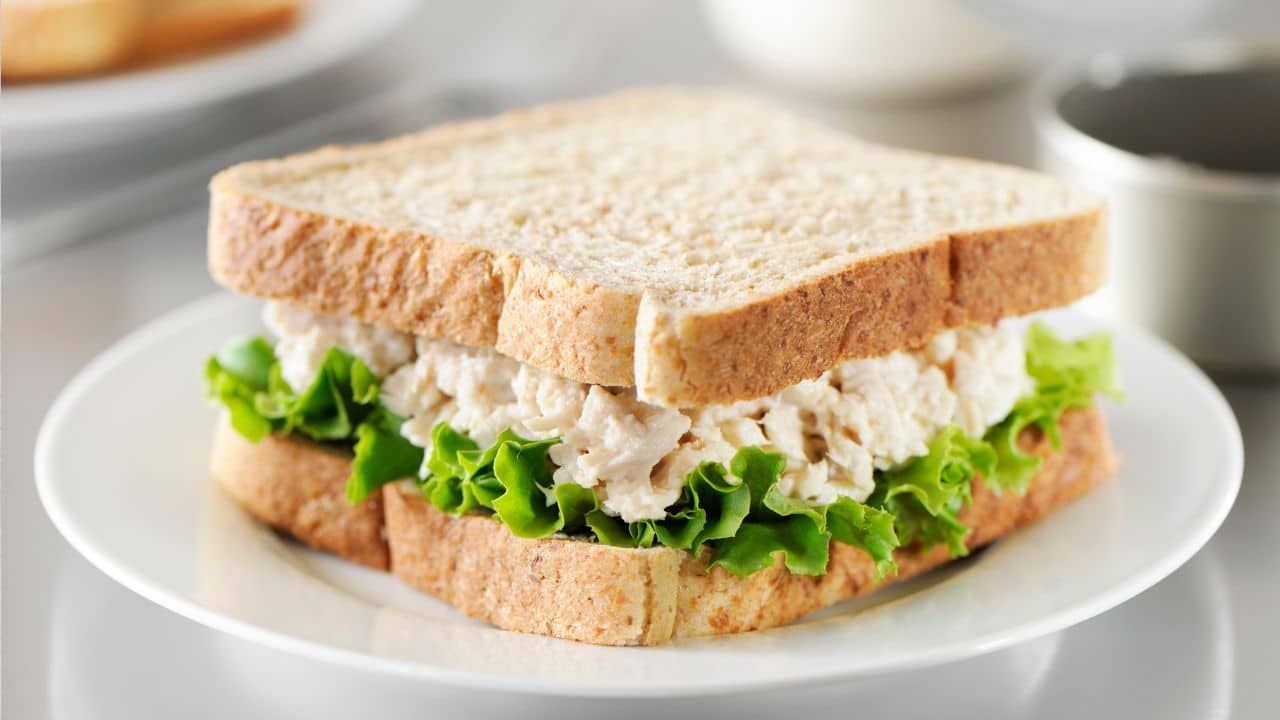
Tuna is a lean, high-quality protein source that’s simple to keep on hand, whether canned or fresh. Every 100 grams provides roughly 29 grams of protein, plus vitamin D, selenium, and omega-3 fats. Add it to salads, sandwiches, or pasta dishes for a quick, muscle-supporting meal.
Chicken

A 100-gram serving of cooked chicken breast provides about 31 grams of protein, along with niacin, selenium, and vitamin B6. Grill, roast, or stir-fry it for a simple, high-protein addition to your lunch or dinner.
Peanut Butter
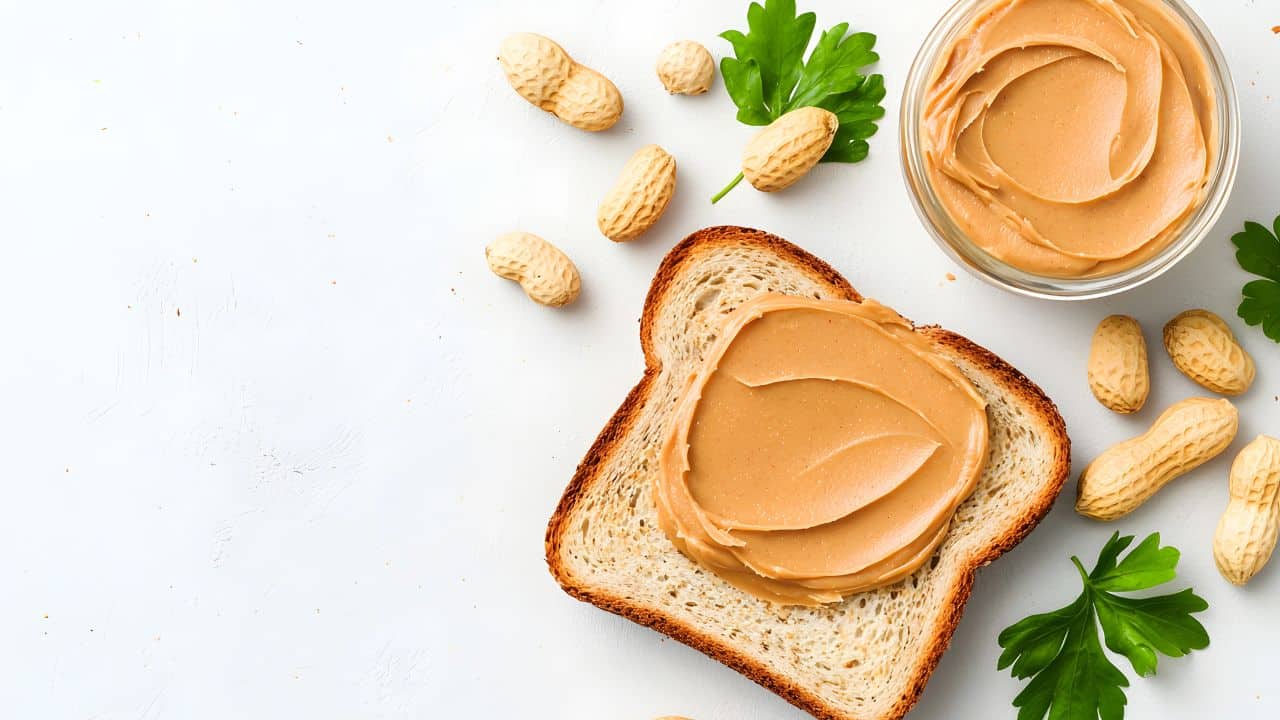
Peanut butter combines convenience with a solid dose of protein and healthy fats. Every 100 grams offers around 25 grams of protein, plus magnesium, vitamin E, and potassium. Spread it on toast, blend it into smoothies, or swirl it into oatmeal for an easy way to raise your protein intake.
Lentils
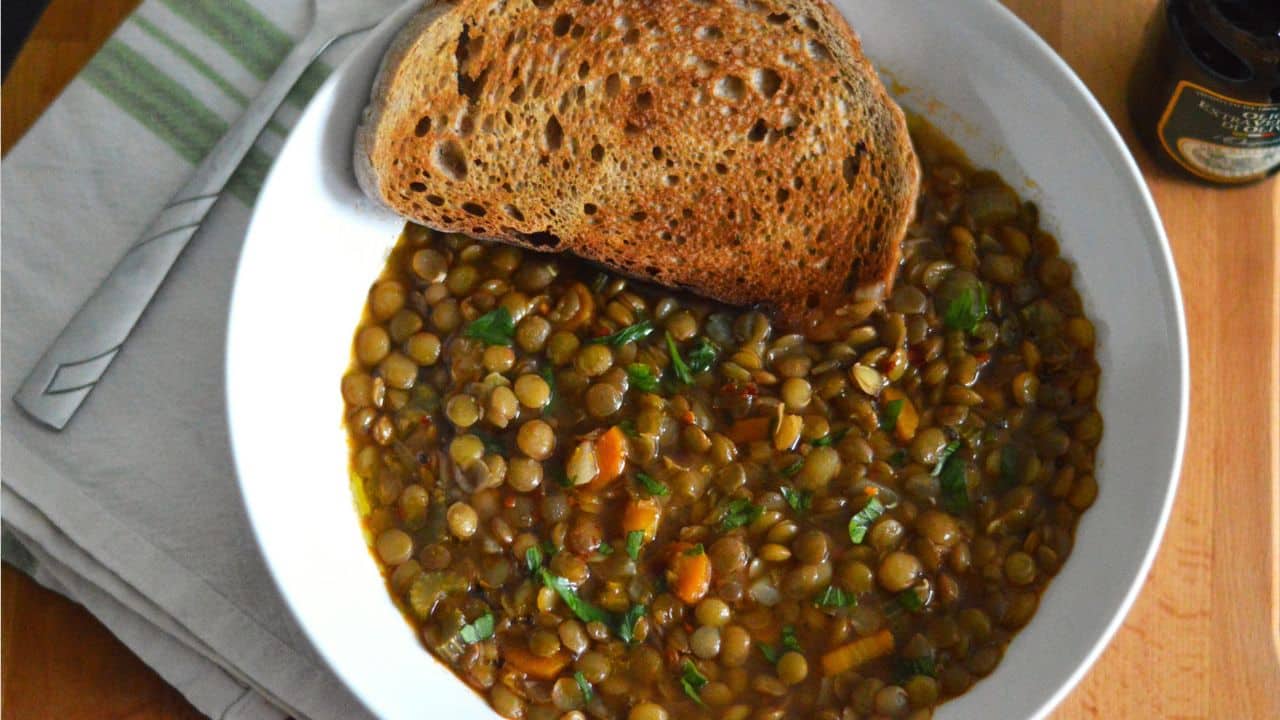
Lentils are an easy, affordable way to add plant-based protein to your meals. Every 100 grams of cooked lentils contains about 9 grams of protein, along with iron, fiber, and magnesium. Make lentil soup, stews, or grain bowls for a filling and nutrient-rich protein boost.
Salmon
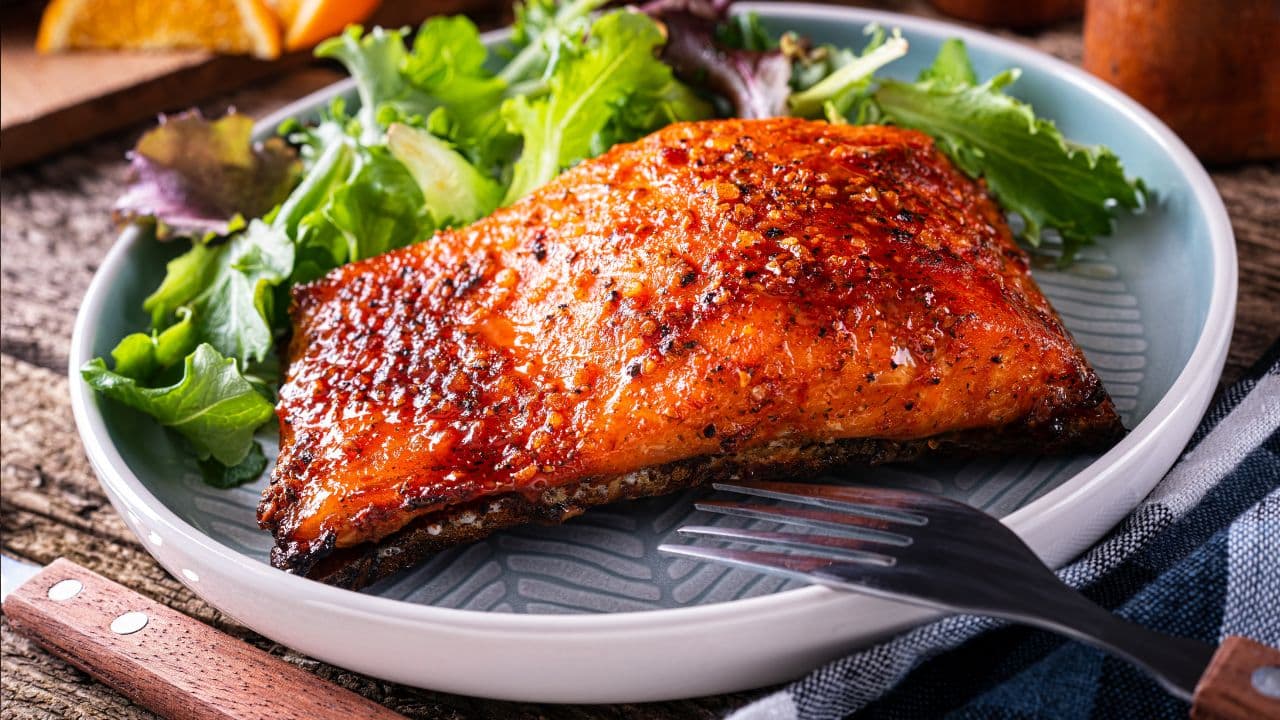
Salmon is a protein-rich fish that also provides healthy fats and essential nutrients. Every 100 grams contains about 22 grams of protein, along with omega-3 fatty acids, vitamin D, and selenium. It’s a great option for adding variety to your protein intake and works well baked, grilled, or pan-seared.
Milk
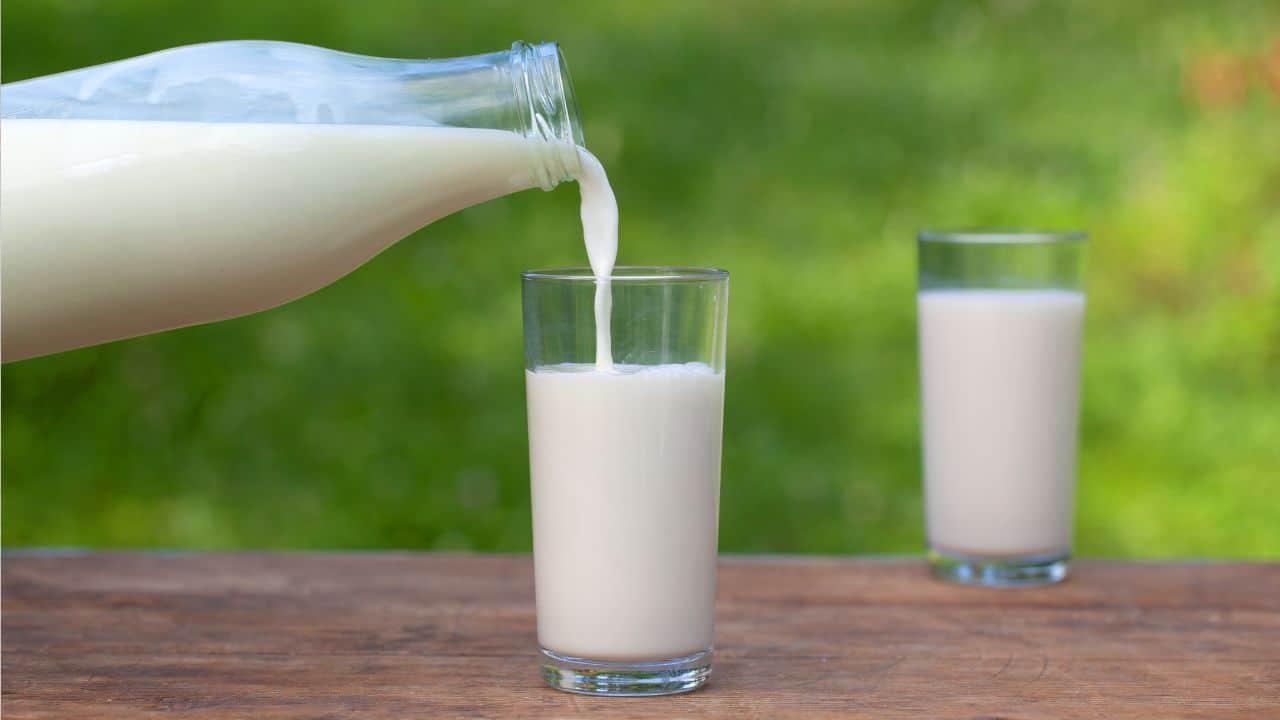
Milk provides a balanced mix of protein, carbs, and fats that supports everyday nutrition. A 100-gram serving contains about 3.4 grams of protein, along with calcium, vitamin B12, and potassium. Drink it on its own, or use it in shakes and oatmeal for a simple protein boost.
Oatmeal
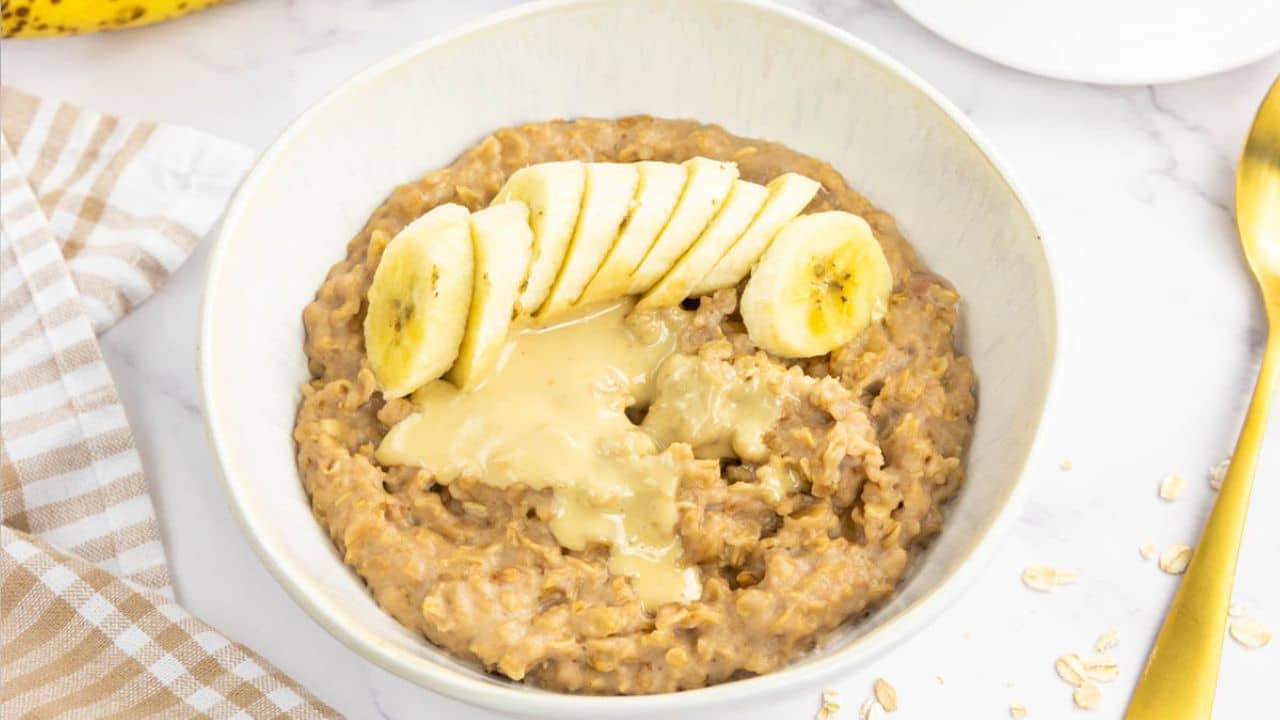
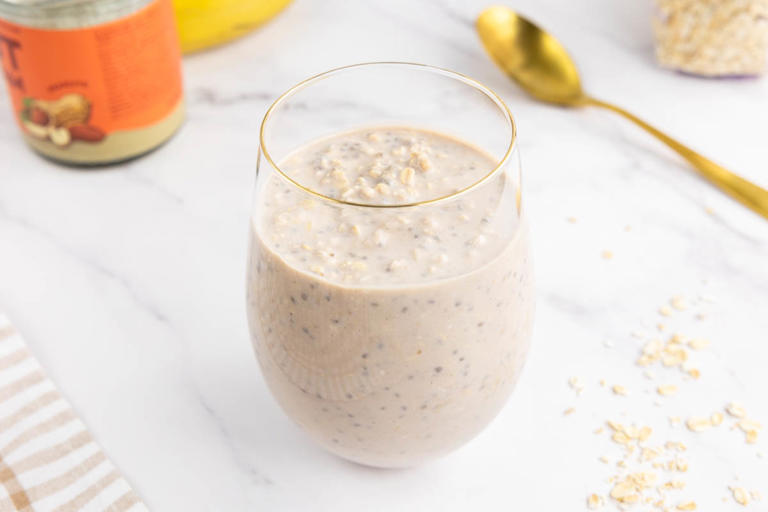
Oatmeal doesn’t just need to be for breakfast. It can also work as a high-protein snack or a post-workout meal. Every 100 grams of dry oats contains about 13 grams of protein, along with iron, magnesium, and fiber. You can also add whey protein, peanut butter, and milk, like in this oatmeal recipe that contains around 59 grams of protein in one serving.
Beef Liver
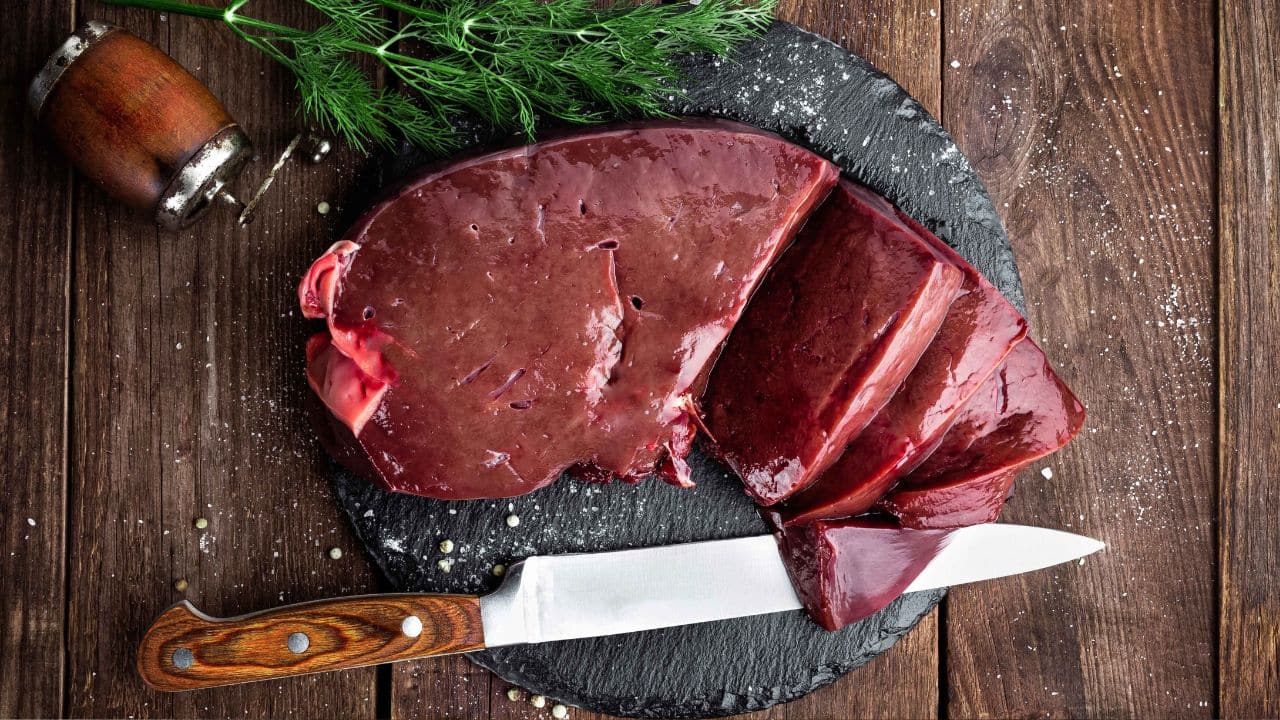
Beef liver is high in protein and packed with essential vitamins and minerals. Every 100 grams provides around 20 grams of protein, along with vitamin A, vitamin B12, iron, and folate.
Cottage Cheese
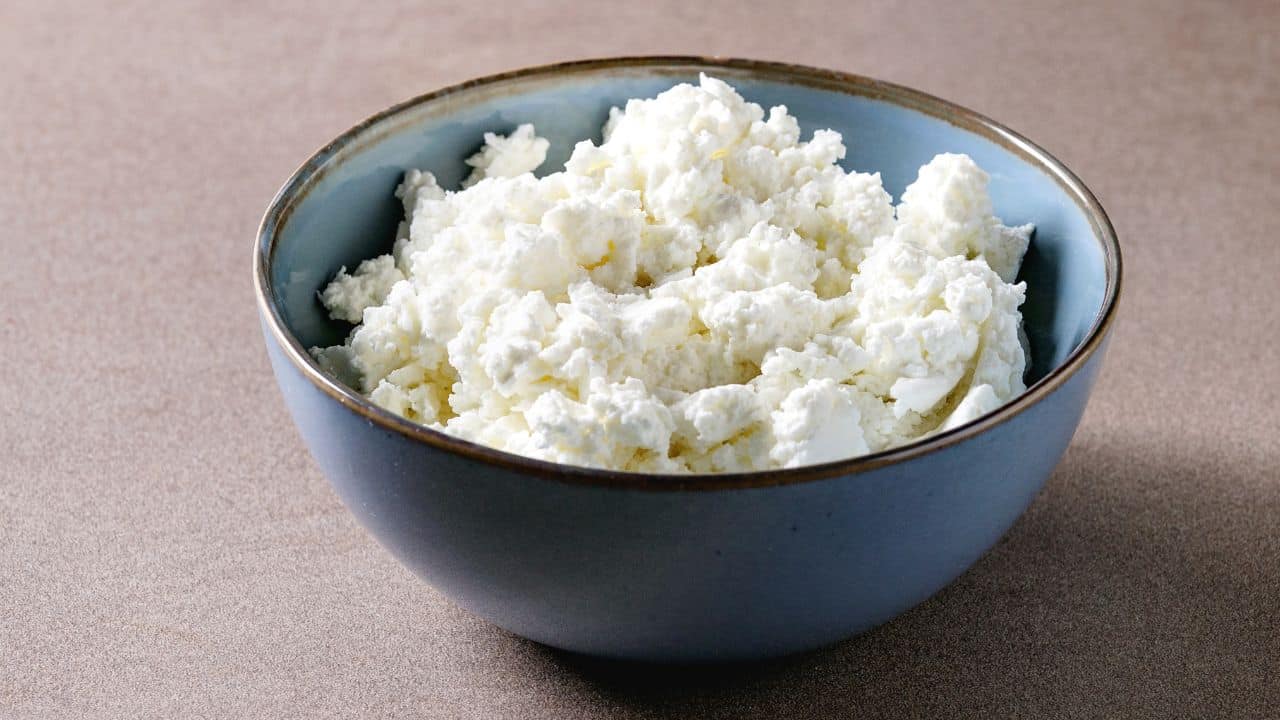
Cottage cheese is a slow-digesting dairy protein that’s beneficial to eat when there’s a long gap before your next meal because it helps maintain muscle protein synthesis over several hours.
Each 100 grams provides about 11 grams of protein, along with calcium, phosphorus, and vitamin B12. Eat it on its own, mix it with fruit, or spread it on toast for an easy, high-protein snack.