
10 High-Calorie Foods To Avoid & 10 That Are Actually Healthy

Not all calories are created equal. Some foods add extra calories without much nutrition, while others are packed with the kind of nutrients your body actually needs. Here’s a closer look at which high-calorie foods are best to limit and which are actually worth keeping on your plate.
1. Sugary Soft Drinks

Regular soda is high in sugar and calories without offering any nutrients. A 12 oz (355 ml) can of cola contains around 140 calories, all from sugar. Frequent consumption can cause blood sugar spikes, leading to crashes and increased hunger later. Replacing soda with water, sparkling water, or unsweetened iced tea can easily cut hundreds of calories a day.
2. Fried Food

Deep-fried foods like fries or fried chicken absorb large amounts of oil during cooking. A medium serving of fries contains roughly 312 calories per 100 grams, mostly from fat. Baking or air-frying can lower the calorie content while keeping a similar texture.
3. Pastries

Croissants, doughnuts, and similar pastries combine butter, sugar, and refined flour, making them high in calories and low in nutrients. A single glazed doughnut has about 400 calories per 100 grams and provides little fullness despite the energy content.
4. Processed Meats

Items like sausages, bacon, and hot dogs can contain 300 to 450 calories per 100 grams, along with high levels of sodium and saturated fat. They are easy to overeat and often lack the nutritional balance found in lean, whole cuts of meat.
5. White Bread

White bread, especially highly processed varieties, is lower in nutrients and fiber than whole-grain options. It contains about 265 calories per 100 grams and digests quickly, which can lead to blood sugar spikes and increased hunger soon after eating. Whole-grain bread is a better alternative for steady energy and more nutrients.
6. Sugary Cereal

Many breakfast cereals are loaded with sugar and refined carbs. Some brands contain 370 to 400 calories per 100 grams, with little protein or fiber to keep you full. Choosing cereals made from whole grains and minimal sugar can make a big difference.
7. Candy Bars

Candy bars are dense in sugar and fat, often reaching 450 to 550 calories per 100 grams. They cause quick energy spikes followed by crashes, making them one of the easiest ways to consume excess calories without feeling satisfied.
8. Alcoholic Beverages

Alcohol contributes significant calories with little nutritional value. A pint of beer has around 200 calories, while a 5 oz (150 ml) glass of wine has about 120 calories. Drinking several in one sitting can quietly add hundreds of calories.
9. Ice Cream

Ice cream combines sugar, cream, and fat, making it high in calories even in small portions. Every 100 grams provides roughly 200 to 250 calories. Low-sugar or yogurt-based versions can be a lighter option if you want a sweet treat.
10. Cream-Based Sauces

Sauces like Alfredo or carbonara can turn a simple meal into a calorie bomb. They contain around 350 to 450 calories per 100 grams, mostly from cream and butter. Tomato-based or broth-based sauces are lighter alternatives.
1. Avocado
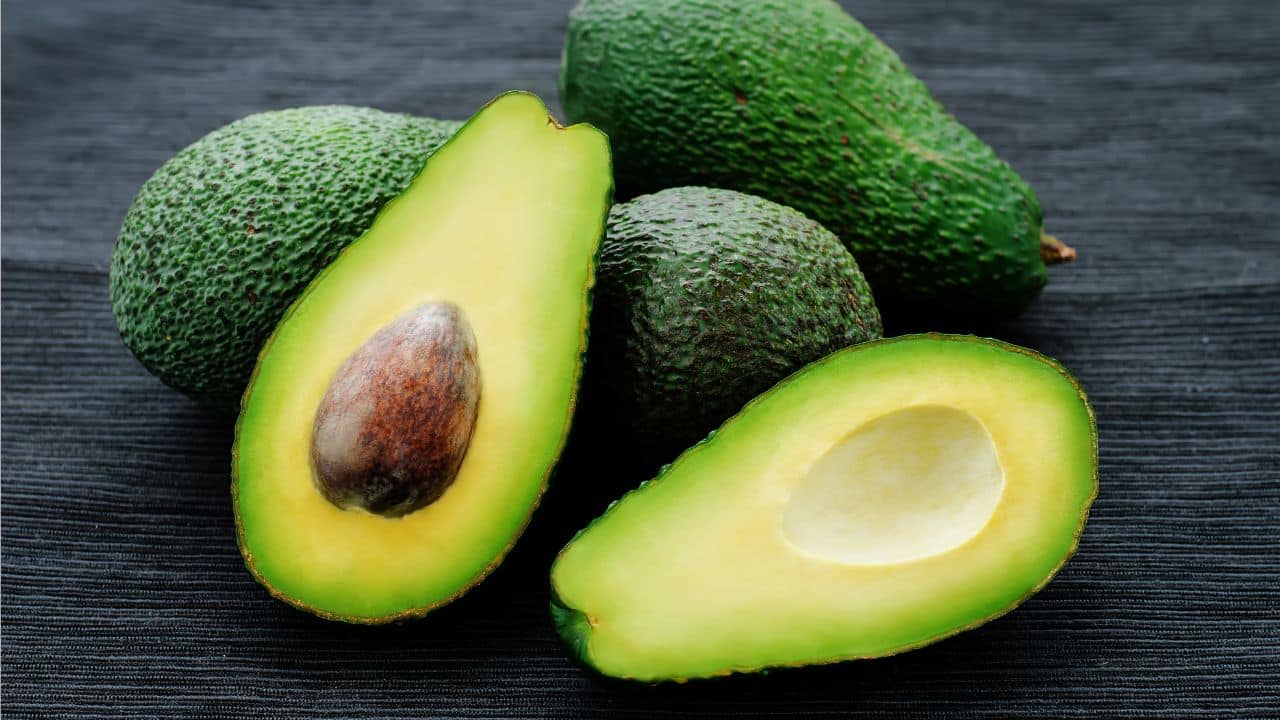
Avocados are calorie-rich but packed with nutrients. Every 100 grams provides around 160 calories, mostly from monounsaturated fats, which are known to support heart health. They also contain fiber, potassium, and folate. Add them to toast, salads, or smoothies for a nutritious calorie boost.
2. Coconut

Coconut contains about 350 calories per 100 grams and is rich in medium-chain triglycerides (MCTs), a type of fat the body uses efficiently for energy. It also provides minerals like manganese and copper. Fresh coconut, coconut flakes, or unsweetened coconut milk can add healthy calories and texture to meals.
3. Chia Seeds

Chia seeds are small but nutrient-dense, providing around 490 calories per 100 grams. They’re rich in omega-3 fats, which are known to support brain and heart health, along with fiber, protein, and calcium. Mix them into yogurt, oatmeal, or smoothies for an easy way to add calories and nutrients.
4. Salmon

Salmon is a high-calorie fish that’s full of quality protein and healthy fats. Every 100 grams has about 208 calories and provides omega-3 fatty acids, which are known to reduce inflammation and support heart health.
5. Nuts

Nuts are one of the easiest ways to add calories while getting important nutrients. They contain about 600 calories per 100 grams and are rich in magnesium and healthy fats, which help with muscle function and energy metabolism. Almonds, walnuts, and cashews all make great snacks or toppings for yogurt and salads.
6. Dried Fruits

Dried fruits are calorie-dense because the water is removed, concentrating the natural sugars and nutrients. Every 100 grams of raisins or dates contains about 280 to 320 calories and provides potassium and antioxidants, which help protect cells from damage. They’re great for quick energy or as an addition to oatmeal, trail mix, or baked goods.
7. Full-Fat Yogurt

Full-fat yogurt provides about 97 calories per 100 grams and contains protein, calcium, and probiotics, which are known to support gut health. Enjoy it on its own, with fruit and honey, or as a base for smoothies and sauces.
8. Olive Oil
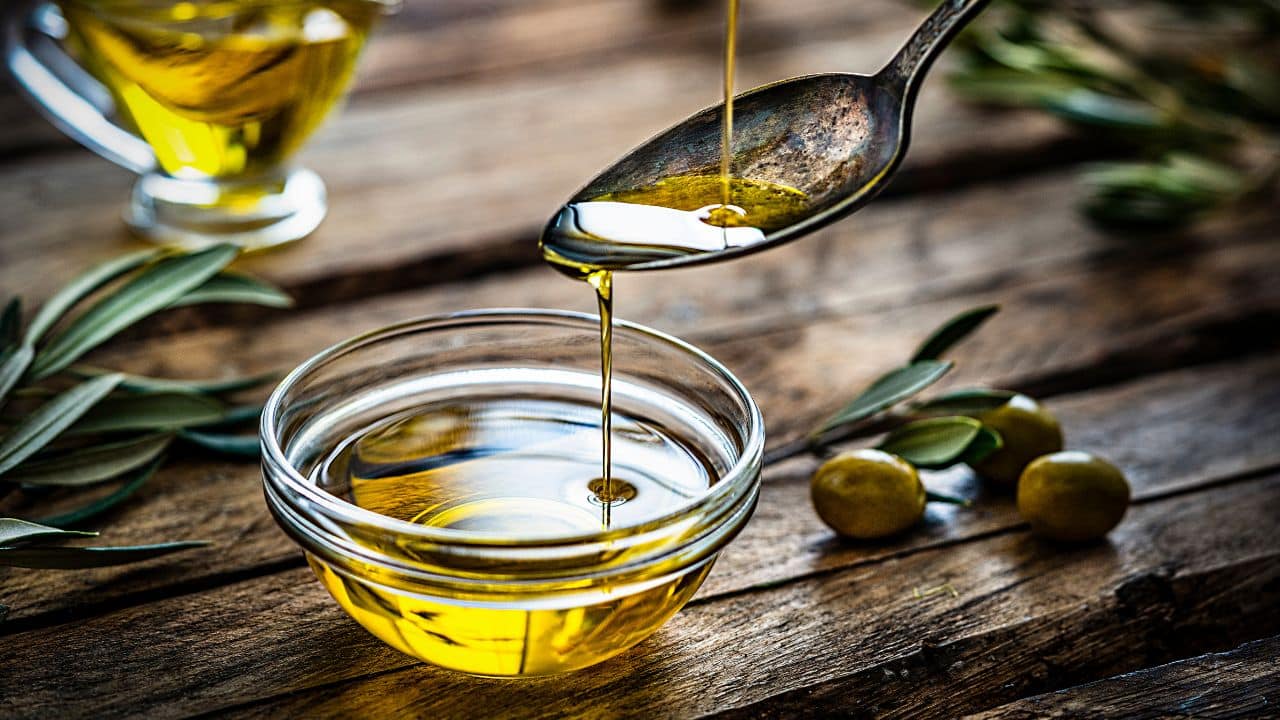
Olive oil is calorie-dense at around 884 calories per 100 grams (or 120 calories per tablespoon). It’s rich in monounsaturated fats and vitamin E, which act as antioxidants. Use it for roasting vegetables, drizzling over salads, or mixing into sauces for a nutritious way to increase calories.
9. Cheese

Cheese contains about 400 calories per 100 grams and provides protein, calcium, and vitamin B12, which supports red blood cell formation. It’s high in calories but nutrient-dense, making it a satisfying addition to sandwiches, omelets, or pasta in moderation.
10. Sweet Potatoes

Sweet potatoes are higher in calories than most vegetables, with around 90 calories per 100 grams. They provide complex carbohydrates for steady energy, along with beta-carotene, which supports eye health. Bake, mash, or roast them as a healthy way to add calories and nutrients to your meals.