36 Cheap High Calorie Foods for Weight Gain

If you’re looking to get the most value for your budget, using cheap, high-calorie foods is an excellent strategy. Many of these foods are not just high in calories but are also nutrition-dense, giving you excellent sources of nutrition.
Beyond just choosing foods that are cheap and high in calories, there are ways to buy them even cheaper. This includes bulk purchases, which can significantly lower the price per unit, buying in season, store memberships and so on.
In this guide, I will provide you with a list of the highest-calorie foods and tips on how to buy them for cheaper.

36 Cheap High-Calorie Foods
Cheap High-Calorie Protein Foods
1. Ground Beef
- Nutrition: High in protein and iron, ground beef is also a good source of B vitamins, particularly B12, which is essential for muscle growth and energy levels. Use a higher percentage of fat if your goal is weight gain, as they provide more calories.
- Cost-Effectiveness: Fattier cuts are often cheaper and provide more calories, making them ideal for a budget-friendly weight gain diet.
- Usage Tips: Use in burgers, meatballs, or mix into pasta sauces for added calories and protein.
2. Ground Pork
- Nutrition: Similar to ground beef, ground pork is rich in protein and contains important vitamins and minerals, including selenium, zinc, and B vitamins.
- Cost-Effectiveness: Often less expensive than beef, making it a great alternative for diversifying protein sources without increasing costs.
- Usage Tips: Great for homemade sausages, meatloaf, or mixed with vegetables for a high-calorie stir-fry.
3. Eggs
- Nutrition: Eggs are a complete protein source, containing all nine essential amino acids. They’re also rich in vitamins D and B12, selenium, and choline.
- Cost-Effectiveness: One of the most affordable protein sources available. Buying in bulk can further reduce costs.
- Usage Tips: Boiled, scrambled, or as an omelet, eggs are versatile. Add cheese or vegetables for a more calorie-dense meal.
4. Chicken Thighs
- Nutrition: Higher in fat and calories compared to chicken breast, making them ideal for weight gain. They’re also a good source of niacin and phosphorus.
- Cost-Effectiveness: Thighs are typically cheaper than breast meat and offer more flavor.
- Usage Tips: Perfect for baking, grilling, or slow-cooking to retain moisture and flavor. They can also be used in this high-calorie chicken noodle meal prep recipe.
5. Canned Tuna
- Nutrition: Lean protein source that’s also high in omega-3 fatty acids, which are important for heart health.
- Cost-Effectiveness: Very affordable, especially when purchased in bulk or on sale.
- Usage Tips: Mix with mayo for a high-calorie tuna salad, or add to pasta dishes.
6. Whey Protein
- Nutrition: Whey protein is a high-quality, complete protein containing all essential amino acids. It’s highly digestible and absorbed quickly, making it beneficial for muscle growth and repair. It also contains bioactive compounds that may offer health benefits.
- Cost-Effectiveness: Purchasing large tubs or bags can provide a lower cost per serving. While it may seem expensive upfront, the per-serving cost is often comparable to or less than other protein sources.
- Usage Tips: Mix whey protein powder into weight-gain smoothies, high-calorie oatmeal, or yogurt. It can also be used in baking recipes to increase the protein content of meals and snacks.
7. Tofu
- Nutrition: A plant-based protein that’s also a good source of iron and calcium. Contains all nine essential amino acids.
- Cost-Effectiveness: Generally cheaper than meat and a versatile protein source for vegetarian and vegan diets.
- Usage Tips: Can be marinated and used in a variety of dishes, from stir-fries to high-calorie breakfast recipes.
8. Sardines
- Nutrition: High in EPA and DHA, two types of omega-3 fatty acids. Sardines are also a great source of vitamin D and calcium.
- Cost-Effectiveness: One of the most affordable fish options, providing great nutritional value for the price.
- Usage Tips: Can be eaten straight from the can or added to salads, pasta, or on toast.
9. Cottage Cheese
- Nutrition: Low in fat but high in protein, cottage cheese is also a good source of calcium.
- Cost-Effectiveness: It’s relatively inexpensive and can be bought in larger containers for savings.
- Usage Tips: Blend into smoothies, mix with fruits for a snack, or incorporate into a high-protein mac and cheese.
10. Beans
- Nutrition: Beans are not only high in protein but also fiber, iron, and antioxidants. They provide a sustained energy source and can help maintain muscle mass.
- Cost-Effectiveness: Both canned beans and dry beans are cost-effective; however, dry beans are slightly cheaper than canned. Soaking and cooking beans can yield a high volume of food for minimal cost.
- Usage Tips: Ideal for soups, stews, and bean chili. Can also be mashed for bean patties or dips.
11. Lentils
- Nutrition: Lentils are another excellent plant-based protein source, rich in fiber, folate, manganese, and iron.
- Cost-Effectiveness: Extremely affordable and cook more quickly than most other legumes, requiring no pre-soaking.
- Usage Tips: Use in salads, stews, or as a meat substitute in many recipes due to their hearty texture.
12. Chickpeas
- Nutrition: High in protein and fiber, chickpeas also offer a good amount of potassium, iron, and magnesium.
- Cost-Effectiveness: Both canned and dry chickpeas are budget-friendly, with dry being the more economical choice in the long term.
- Usage Tips: Can be roasted for a crunchy snack, blended into hummus, or added to curries and salads.
Cheap High-Calorie Carbohydrates Foods
13. Pasta
- Nutrition: A good source of energy-providing carbohydrates and, depending on the variety, can also offer fiber and protein.
- Cost-Effectiveness: Extremely affordable, especially when bought in bulk. Whole grain or whole wheat varieties offer more nutrients and are just as cost-effective.
- Usage Tips: Versatile in dishes from casseroles to salads. Pair with high-protein sauces or vegetables for a balanced meal.
14. Whole Wheat Pasta
- Nutrition: Contains more fiber and nutrients than regular pasta, aiding in digestion and providing a slower release of energy.
- Cost-Effectiveness: Slightly more expensive than white pasta but still a budget-friendly option that adds nutritional value to meals.
- Usage Tips: Use in any recipe that calls for pasta. Great with rich, hearty sauces that complement its nuttier flavor.
15. Rice
- Nutrition: A staple energy source, white rice provides quick energy. Brown rice offers more fiber, vitamins, and minerals.
- Cost-Effectiveness: Both white and brown rice are inexpensive, especially when purchased in bulk. Brown rice offers more nutritional bang for your buck.
- Usage Tips: A versatile base for meals. Brown rice pairs well with legumes for a complete protein dish.
16. Brown Rice
- Nutrition: Higher in fiber and nutrients like magnesium and selenium compared to white rice. It has a lower glycemic index, providing more stable energy levels.
- Cost-Effectiveness: Marginally more expensive than white rice but still very affordable, offering greater nutritional value.
- Usage Tips: Perfect for stir-fries, rice bowls, and as a side dish. Soak before cooking to reduce cooking time.
17. Bread
- Nutrition: Choose whole grain or whole wheat varieties for added fiber, vitamins, and minerals. Provides carbohydrates for energy.
- Cost-Effectiveness: Very cost-effective, especially when purchased from discount bakeries or in bulk.
- Usage Tips: Use for sandwiches, toast, or as a side to soak up sauces and gravies. Look for dense, nutrient-rich options.
18. Potatoes
- Nutrition: High in vitamin C, B6, and potassium. The skin contains fiber, so it’s beneficial to eat them with the skin on.
- Cost-Effectiveness: Potatoes are very affordable and have a long shelf-life, especially when stored in a cool, dark place.
- Usage Tips: Boiled, baked, or mashed, potatoes are incredibly versatile. Add milk, butter, or cheese for extra calories.
19. Sweet Potatoes
- Nutrition: Rich in beta-carotene (vitamin A), vitamin C, and potassium. Sweet potatoes also provide dietary fiber.
- Cost-Effectiveness: Generally affordable, though slightly more expensive than regular potatoes. Their nutritional benefits justify the cost.
- Usage Tips: Can be roasted, mashed, or used in baking. Their natural sweetness pairs well with spices like cinnamon and nutmeg.
20. Oats
- Nutrition: Oats are excellent for weight gain and are a great source of complex carbohydrates, fiber, and a good source of protein. They contain beta-glucan, which can help lower cholesterol.
- Cost-Effectiveness: Bulk purchases make oats incredibly cheap. They have a long shelf-life and are versatile for many meals.
- Usage Tips: Ideal for breakfast as oatmeal, high-calorie overnight oats, added to smoothies for thickness, or used in baking for healthy snacks.
21. Cornmeal
- Nutrition: Provides carbohydrates and is a good source of fiber and vitamins, including B vitamins. It’s also gluten-free.
- Cost-Effectiveness: Very affordable and can be stored for a long time. A staple ingredient in many cultures.
- Usage Tips: Used to make cornbread, polenta, or as a coating for fried foods. It adds a unique texture and flavor to dishes.
22. Barley
- Nutrition: Rich in fiber, vitamins, and minerals, barley can help improve digestion and reduce hunger. It has a chewy texture and nutty flavor.
- Cost-Effectiveness: An inexpensive grain that’s often overlooked. Offers great value for its nutritional content.
- Usage Tips: Excellent in soups, stews, salads, or as a rice alternative.
23. Noodles
- Nutrition: Similar to pasta, noodles offer carbohydrates for energy. Whole grain or buckwheat noodles provide more nutrients.
- Cost-Effectiveness: Very affordable, especially in bulk. Asian supermarkets often offer great deals on diverse noodle varieties.
- Usage Tips: Can be used in a wide range of dishes from soups to stir-fries. Pair with vegetables and protein for a balanced meal.
24. Bananas
- Nutrition: High in carbohydrates and potassium, bananas are an excellent source of energy. They also contain vitamin C and B6.
- Cost-Effectiveness: Bananas are one of the most affordable fruits available year-round.
- Usage Tips: Ideal as a quick snack, blended into smoothies, or sliced onto oatmeal or pancakes for a calorie boost.
25. Frozen Berries
- Nutrition: Berries are packed with antioxidants, vitamins, and fiber. They can add a natural sweetness and nutrient boost to a variety of dishes.
- Cost-Effectiveness: Frozen berries are often more affordable than fresh, especially when out of season, and last longer.
- Usage Tips: Blend into smoothies, mix into yogurt, or cook down into sauces and spreads. If you love berries, try this high-calorie berry smoothie.
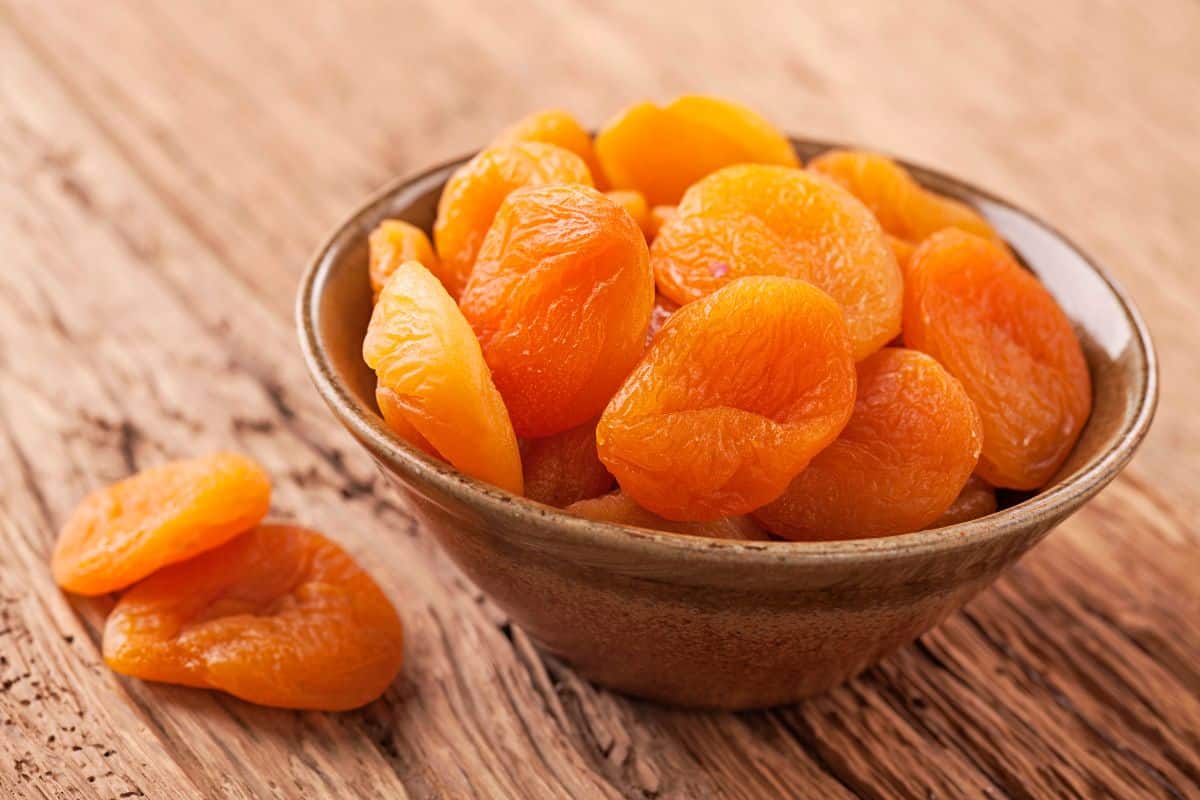
26. Dried Fruits
- Nutrition: Dried fruits are calorie-dense and rich in fiber, vitamins, and minerals. They are a concentrated source of energy due to the removal of water, which increases the amount of sugars and calories per serving compared to fresh fruit.
- Cost-Effectiveness: Dried fruits can be cost-effective, especially if purchased in bulk. They have a longer shelf life than fresh fruits, reducing waste and saving money over time.
- Usage Tips: Perfect for snacking, adding to oatmeal, cereals, baked goods, or homemade trail mixes. Dried fruits like raisins, apricots, and dates can add sweetness and texture to various dishes.
Cheap High-Calorie Fat Foods
27. Peanut Butter
- Nutrition: High in protein and healthy fats, peanut butter is also a good source of vitamins E and B6, magnesium, and potassium.
- Cost-Effectiveness: Buying in bulk can reduce costs. Opt for natural varieties with no added sugars or oils for the best health benefits.
- Usage Tips: Spread on whole-grain toast, add to smoothies, or use in peanut sauce for a calorie and flavor boost.
28. Full-Fat Greek Yogurt
- Nutrition: Offers a great combination of protein, fat, and probiotics that can aid digestion. It’s also a good source of calcium and vitamin B-12.
- Cost-Effectiveness: Opting for larger containers rather than individual servings can reduce costs. Look for sales and store brands.
- Usage Tips: Use as a base for smoothies, mix with fruit and nuts for a snack, or incorporate into sauces and dressings.
29. Olive Oil
- Nutrition: Rich in monounsaturated fats, olive oil is beneficial for heart health. It’s also a good source of antioxidants known as polyphenols.
- Cost-Effectiveness: While quality olive oil can be pricier, its health benefits and a small amount needed for cooking or dressing make it economical in the long run.
- Usage Tips: Use in salad dressings, for sautéing vegetables, or drizzling over dishes to add healthy fats and calories.
30. Almonds
- Nutrition: Rich in vitamin E, magnesium, and fiber. Almonds are beneficial for heart health and can help manage blood sugar levels.
- Cost-Effectiveness: While nuts can be pricey, buying in bulk can save money. Almonds are a nutritious investment in your health.
- Usage Tips: Great as a snack, chopped in salads, or added to yogurt.
31. Sunflower Seeds
- Nutrition: A cost-effective source of vitamin E, magnesium, and selenium. Sunflower seeds are good for heart health and can support immune function.
- Cost-Effectiveness: Generally affordable and available in bulk, making them an economical choice for adding nutrients and calories.
- Usage Tips: Ideal for adding to salads, homemade bread, or as a snack on their own.
32. Pumpkin Seeds
- Nutrition: High in magnesium, iron, and antioxidants. Pumpkin seeds can improve heart health and provide a good source of plant-based protein.
- Cost-Effectiveness: Buying in bulk can help reduce costs. They offer a good balance between cost and nutritional value.
- Usage Tips: They can be eaten alone, added to salads, or mixed into granola for an extra nutritional punch.
33. Flaxseeds
- Nutrition: Exceptionally high in omega-3 fatty acids and fiber, flaxseeds are great for heart health and digestive health.
- Cost-Effectiveness: Very affordable, especially when bought whole. A small amount goes a long way in providing nutritional benefits.
- Usage Tips: Grind them at home and add to smoothies, oatmeal, or yogurt for a nutritional boost.
34. Whole Milk
- Nutrition: Whole milk is a rich source of high-quality protein, healthy fats, vitamins D and A, calcium, and phosphorus. The fat content enhances calorie density, making it beneficial for weight gain.
- Cost-Effectiveness: Milk is generally affordable and widely available. Buying in larger quantities can sometimes offer savings.
- Usage Tips: Drink as a beverage, use in smoothies, or incorporate into cooking and baking for added calories and nutrients. Whole milk can also be used to make homemade dairy products like yogurt or paneer, adding versatility to your diet.
35. Cheese
- Nutrition: Rich in calcium, protein, and fats, cheese is also a good source of vitamins A and B-12, along with zinc and phosphorus.
- Cost-Effectiveness: Buying in bulk or choosing store brands can offer savings. Cheeses like cheddar, mozzarella, and cottage cheese tend to be more affordable.
- Usage Tips: Add to sandwiches, salads, eggs, or melt over vegetables for added flavor and calories.
36. Butter
- Nutrition: High in saturated fats and contains vitamins A, E, and D. It’s also a source of butyrate, a fatty acid that can improve digestive health.
- Cost-Effectiveness: While prices can vary, buying in bulk can help reduce costs. Butter adds flavor and calories to a variety of dishes.
- Usage Tips: Use in baking, frying, or as a spread. Butter can enhance the flavor of vegetables and other foods, making them more appealing and calorie-dense.
Shopping Tips for High-Calorie Foods
If you’re looking for affordable high-calorie foods, it’s important to have good shopping strategies to get the most out of your money. Here are some practical tips to help you shop smartly both in-store and online:
Bulk Buying
Buying items in bulk can result in substantial savings, particularly for non-perishable high-calorie staples like rice, pasta, legumes, and nuts. Wholesale clubs and bulk sections in grocery stores are fantastic starting points. Not only do you save money, but you also ensure that you have a ready supply of calorie-dense foods at home.
Seasonal Purchases
Fruits and vegetables can offer good nutritional value for their calorie content and are cheaper when bought in season. Seasonal buying ensures you get the freshest produce at the best price. Consider freezing extras to enjoy the cost and nutritional benefits year-round.
Generic vs. Brand Names
It’s worth considering generic or store-brand products as they are often just as good in terms of nutritional value compared to their brand-name equivalents but are priced lower. This is especially true for essential items like oats, flour, canned goods, and dairy products.
Discounts and Sales
Keep an eye out for discounts, coupons, and sales on high-calorie foods. Many stores have weekly specials or loyalty programs that can lead to substantial savings. Planning your shopping list around what’s on sale can maximize your budget and allow you to stock up on essentials.
Online Shopping
Online retailers and grocery delivery services often offer competitive prices on bulk items and pantry staples. Additionally, they can be a time-saver, allowing you to compare prices easily and take advantage of online-only deals. Some services offer free shipping with a minimum purchase, adding to your savings.
Comparing Unit Prices
Learn to compare unit prices (the cost per ounce, liter, pound, etc.) to get the best deals. This practice can help you identify which package sizes and brands offer the most value for your money, ensuring you’re truly getting a bargain.
Conclusion
Smart shopping for high-calorie foods doesn’t have to be complicated. By incorporating these strategies into your grocery routine, you can maximize your food budget more easily.
Remember, the key is not just what you buy but also how you buy it. With the tips and insights provided in this article, you’re well-equipped to make informed decisions that benefit both your wallet and your dietary goals.